ESSAY: The Human Body
Bodies
I have been interested in anatomy for as long as I can remember. At six years old I spent time in art supply stores leafing through anatomy books — cross-sections, Latin names, illustrations that looked nothing like anything alive. Other times I stayed up watching public television broadcast surgeries — open hearts, and living anatomy. The subject felt impossible then, every page had another layer; muscles over tendons over bone, and beneath everything another system waiting to be named. In school, I aced anatomy, looking back. I have no idea how I did it.
Eventually I learned anatomy as many artists do —through observation, repetition, and years of drawing the same forms until they stopped being unknown and started being structural. I thought I understood the body. Then I was invited to visit the Bodies exhibit, and I realized I had only ever understood its structure. To understand the human body means to understand exactly how it works, and why.
No textbook prepared me for the colors, and no amount of drawing the body prepared me for the forms I’d witness. What struck me first was not death. It was beauty— and I was not prepared for that either.
I kept returning to the heart, the lungs, and the brain —but not because they were the most recognizable. They possessed a visual intelligence I wasn't quite aware of, even after courses in brain health where I studied the brains structure. The branching vessels, the folds, the dense lacework of one structure meeting another, all felt strangely familiar. The roots feel familiar, or the river deltas, or the way lightning selects its path. The body doesn't organize itself in angles. It works in curves and bifurcations and circles, and standing there I found the distinction between science and art genuinely difficult to locate.
I have heard people describe anatomy as evidence of divine design, and I understand the impulse completely. The complexity of it actually resists comprehension in some ways. But what I felt wasn't directed toward a creator. It moved toward life itself, toward the long improbable chain of events required for any of us to arrive here at all.
What affected me most too, was not the organs being mere organs. It was the people who lived because of them.
I found myself constructing lives. Who were they before the exhibit made them specimen? What made them laugh with their body? What particular grief did they carry for years without telling anyone? These are questions with no answers, which is precisely what gives them their weight. I wish I could’ve asked one of them, as a ghost, while standing and looking at their body —what do they think. (Yes I’m a child.)
There was one woman whose skin remained, and looking at her I could see the evidence of age, the body's record of children carried. For a moment the specimen disappeared entirely and I was standing in front of someone's mother, wondering what she sang, who needed her, what small ordinary and very human moments made up her life.
However, it was The Fetus display, which stopped me completely.
There is a particular sorrow that lives in the bodies of women, carried quietly, rarely spoken about, bound up in the losses that belong to gestation and its failures. Standing in front of that display I felt the weight of every woman who has ever lost something that small, something that fits inside two hands and contains every possibility. That tenderness was different from everything else in the room.
The thread running through the entire exhibit was connection — not only between organs and systems, but between the living and the dead, between this body and every body that preceded it. For all our failures, all our capacity for disappointment and conflict, we have still managed to build medicine and music and friendship and art, and every one of those things began inside one of these fragile temporary structures.
I took photographs because I wanted to honor the experience, to witness it properly — giving my attention is a form of respect. These were not mere objects. They were people who agreed to remain, to keep teaching after everything else had stopped.
That is not a small thing. It is everything.
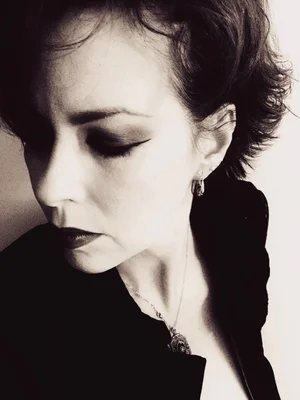
Marni Fraser
____________
Las Vegas is currently home to two permanent exhibits featuring real human bodies, both using plastination — a process in which bodily fluids are replaced with liquid silicone rubber, allowing tissue to hold its form indefinitely.
REAL BODIES at Horseshoe Las Vegas features over 20 specimens and 200 anatomical artifacts, with an emphasis on the relationship between the body’s systems and the emotional life running through them.
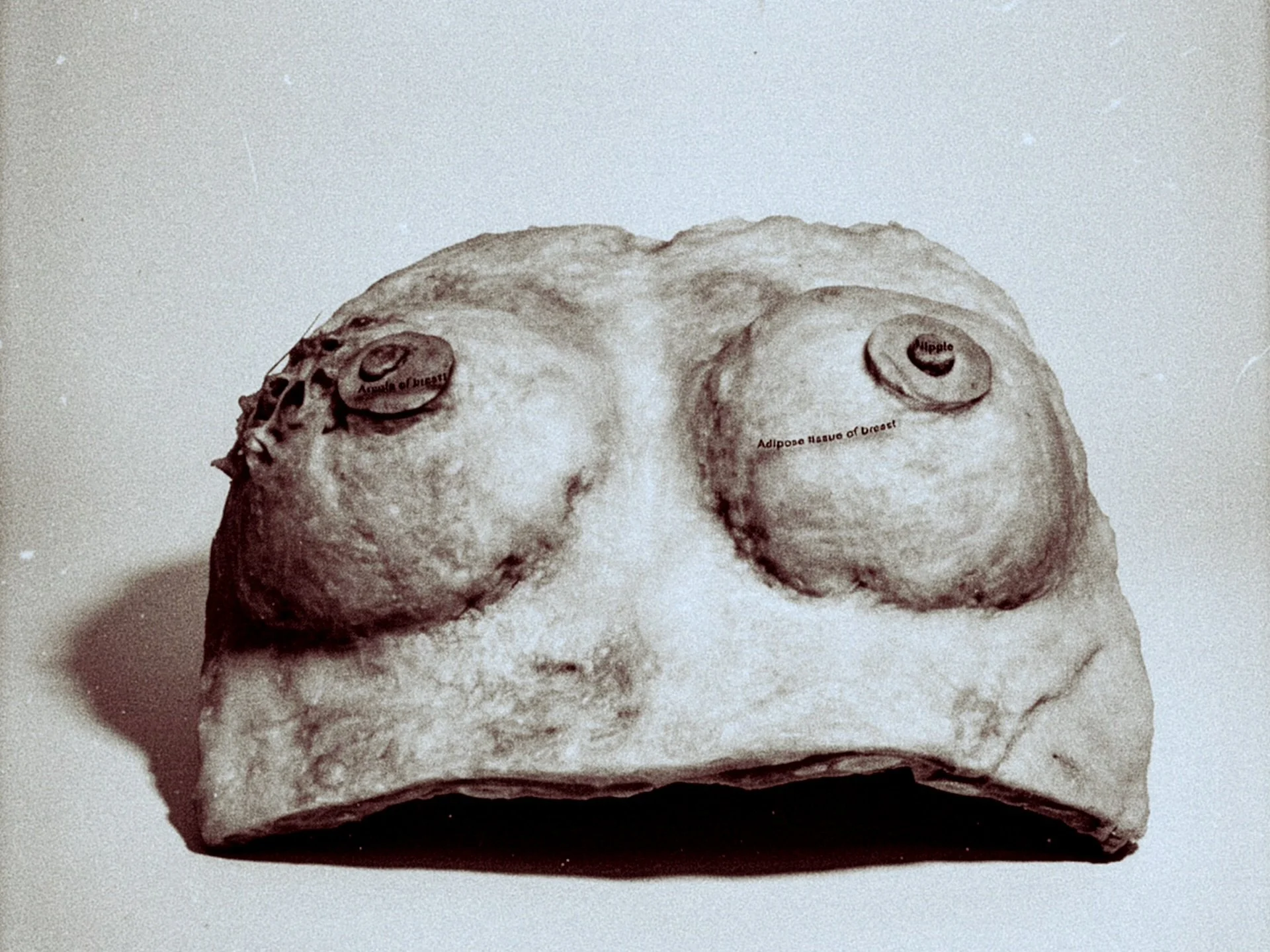
Breast Specimen — Adipose Tissue
Marni Fraser, 2026, Canon
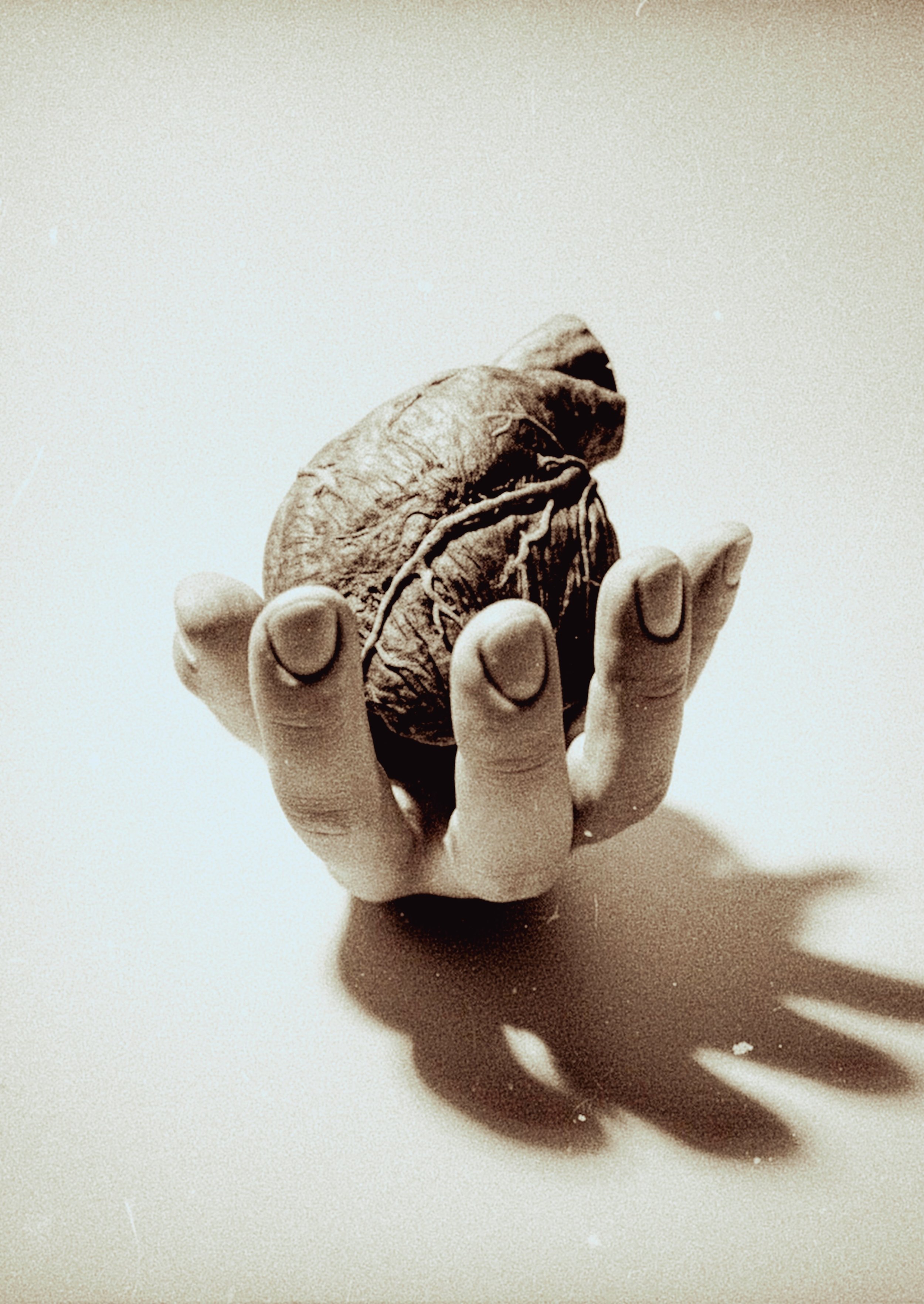
Hand Holding Cardiac Specimen
Marni Fraser, 2026, Canon R
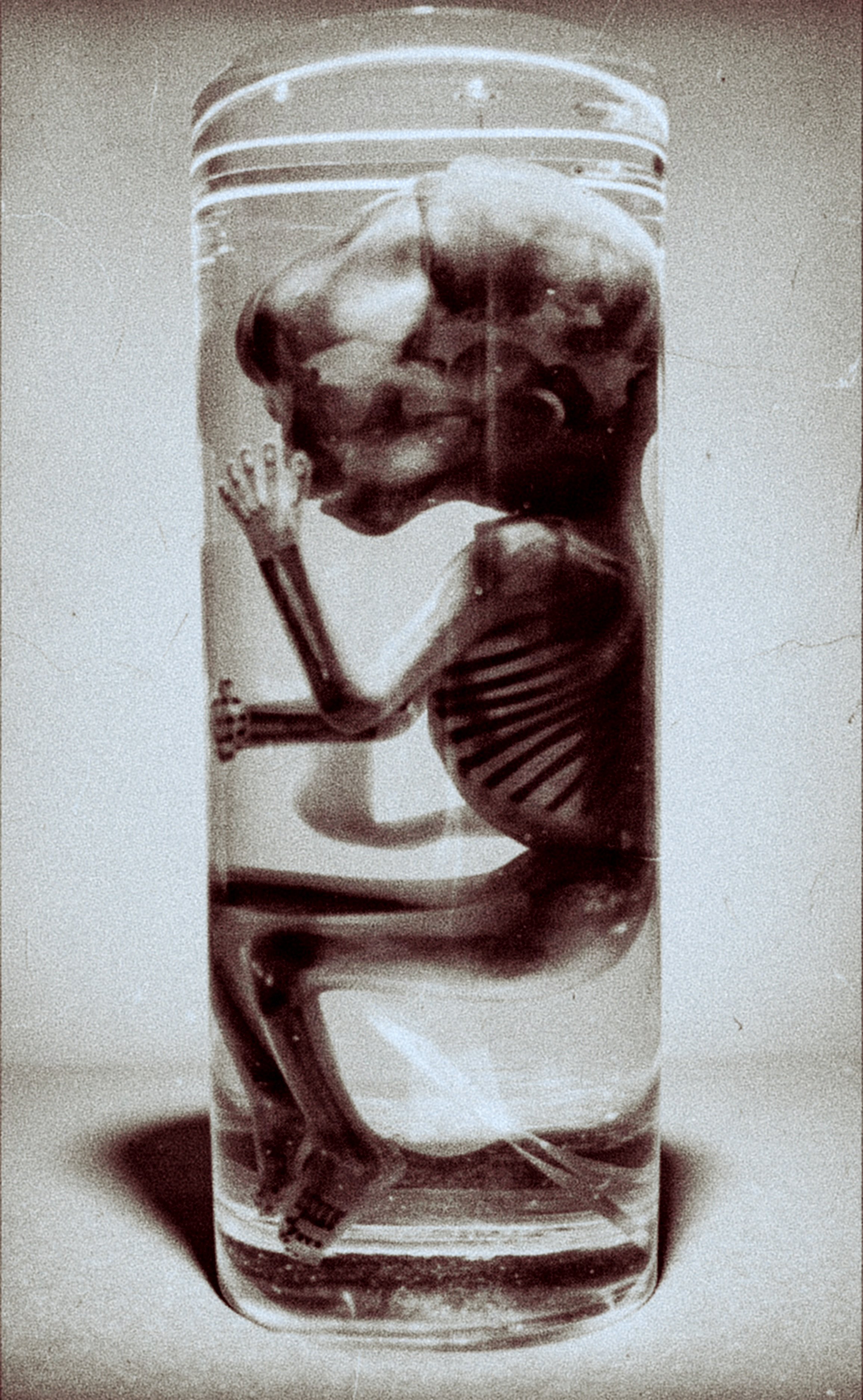
Fetal Specimen, Preserved
Marni Fraser, 2026, Canon R