The Courage to Be Unlikable
The Courage to Be Unlikable
From an early age, people learn that approval buys security and belonging. The instinct to please stops feeling like a choice — it becomes a condition of participation.
The cost is rarely obvious. On the surface it may look like grace or generosity. Beneath it grows a quiet erosion of clarity. A person who suppresses authentic expression too long discovers that self-respect has been traded for provisional acceptance. The body registers what the mind negotiates away — tension in the chest, a dull ache in the stomach, a persistent unease that something essential is being exchanged for comfort.
Cultural pressures deepen this. Women are taught to understand likability as a moral virtue rather than a social strategy. Sensitive individuals and artists feel this with particular sharpness — their work depends on being received, which makes the instinct to pre-empt rejection both professionally and personally motivated. In digital spaces, personal expression becomes something measured and curated for an audience that may never truly reciprocate.
Kindness and people-pleasing are frequently confused. The behaviors look similar. The motivations don't. Kindness arises from genuine concern — care without condition. People-pleasing is a reflex born of fear, an attempt to preempt criticism or avoid abandonment. The habit of constant accommodation dulls a person's ability to recognize where generosity ends and self-erasure begins.
The turning point arrives gradually. The discomfort of inauthenticity grows heavier than the risk of being misread. Honesty sometimes dissolves certain bonds. What follows is ambivalence — which nonetheless clarifies what can no longer be sustained.
Releasing the need for approval requires allowing others their disappointment, risking being misread, accepting that integrity may cost belonging. It doesn't reject connection. It denies the hidden contracts of self-denial that connections sometimes ask for.
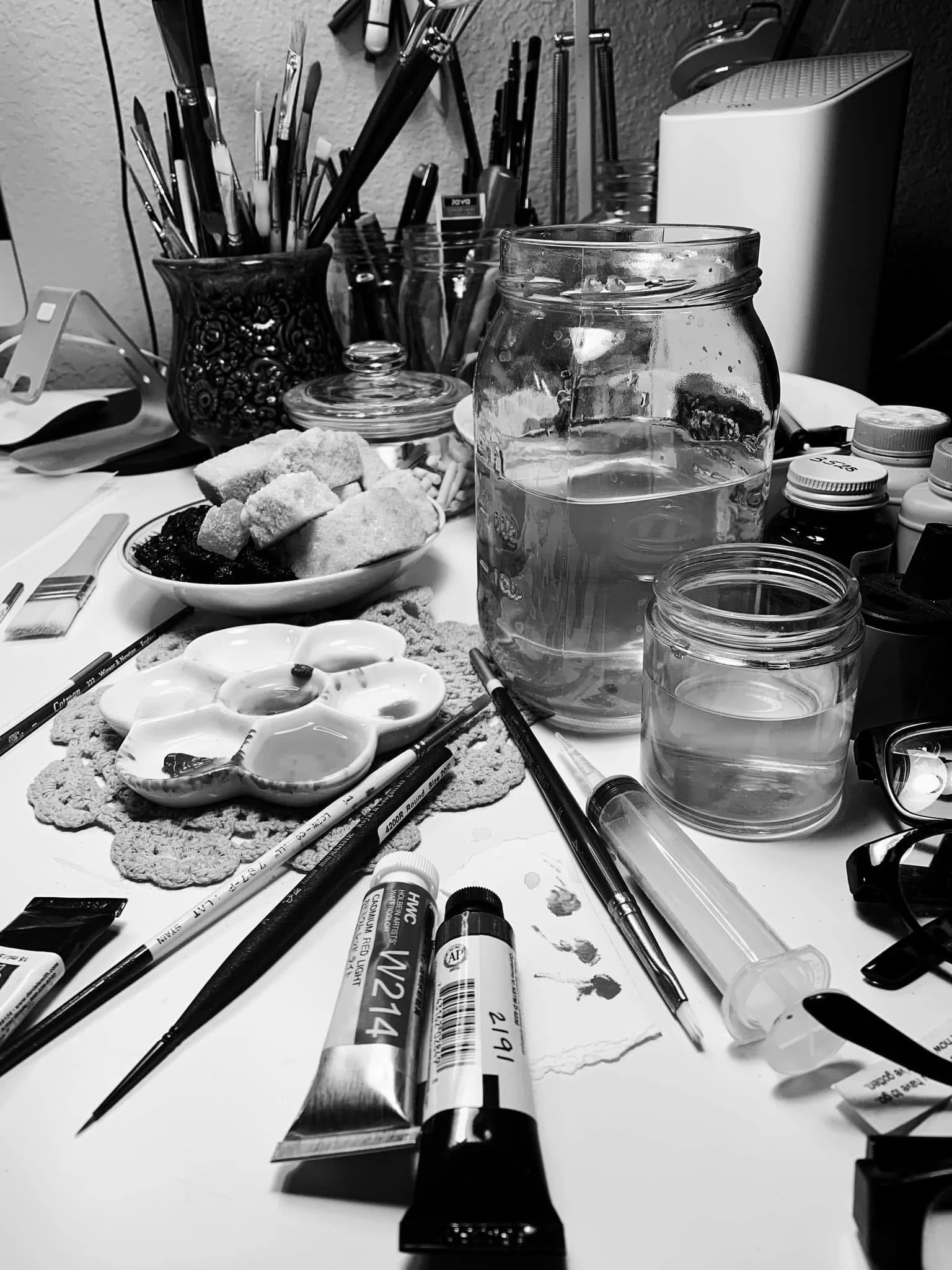
Image, 2024