
ESSAY: The Dock Among the Lilies
Back in 2007, I was living far from everything I knew, and outside my country. The person I shared a home with left early for work each morning, and by then I had begun to look forward to those hours alone. There is a particular exhaustion that comes from living beside dishonesty. It settles into the walls, silences, and into the smallest moments of the day. It’s constant.
I was lonely due to the distance between me and friends, or me and family. My friends were thousands of miles away, and my family was also thousands of miles away.
Most days I walked through the countryside, but one morning I made my way to the lake instead. I circled the entire lake’s circumference before finding a small hidden dock tucked among reeds and water lilies. It felt untouched— it was definitely protected from the world beyond it. I sat there with my feet in the water while fish nibbled at my toes and damselflies drifted through the air, moving with such ease that it seemed impossible for them to know speed.
It remains one of the most beautiful memories of my life.
A narrow band of sunlight fell across the dock while the trees held the rest of me in shade. For the first time in a long while, I felt safe. Hidden. Beyond the reach of the person who spent so much of his time diminishing me.
When I think about that afternoon now, what I remember most is not the betrayal but the relief. Even then, before I had the words for it, I was trying to return to myself.
For years I thought that afternoon belonged to an only that chapter of my life. I believed it was a refuge from one difficult relationship, and a brief sanctuary during a season and person I was trying to survive.
What I did not understand was that I would spend the next two decades repeating versions of the same lesson.
The faces changed. The circumstances changed too, somewhat. The countries changed. What remained constant was my tendency to explain away what was directly in front of me.
I have always been more interested in why people become who they are than in judging them for it. If someone behaved badly, I wanted to know what hurt them, thought maybe I can help. If they were dishonest, I wanted to understand what they were protecting. If they were cruel, I searched for the wound beneath the cruelty in an effort to assuage.
There is compassion in that instinct, but there’s also danger.
Eventually one realizes that understanding someone is not the same thing as trusting them. You can see the origin of a person’s suffering and still recognize that they are capable of causing suffering regardless. .
That difference and the lesson of it took me far longer to learn than it should have.
For a long time, I mistook access to people as connection. I believed that being available to people was a form of generosity, and that leaving the door open was evidence of kindness. Looking back, I can see how often I extended trust before it had been earned, confusing potential with character.
Part of that came from optimism, a lot of it came from loneliness. Most of it came from a genuine belief that people could become better versions of themselves if they were seen clearly enough.
And, Sometimes they did.
But, Often they did not.
The hardest realization was not that people lie, disappoint, manipulate, or betray. Human beings have always done those things. The harder realization was understanding how much energy I spent trying to explain those behaviors instead of responding to them. That I actually cared more about their pain than my own survival.
I became an interpreter of other people’s motives. I looked for context, for history, for wounds, for explanations. In doing so, I often overlooked the simple reality of what was happening in front of me.
The consequence was not anger. It was exhaustion. Pain. Sadness that reached into a heavier sorrow.
When I was younger, I thought solitude was something I sought because I had been disappointed by people. Now I think the opposite may be true. Solitude was never an escape. Instead, it was the place where I could hear myself clearly enough to recognize what I already knew.
The older I become, the less interested I am in being surrounded by people and the more interested I am in being surrounded by honesty. The two are not the same thing.
Over the last few years, my world has become considerably smaller, and I no longer view that as a failure. I have stepped away from much of social media, reduced my offline circle, and become far more protective of my attention. What had felt like isolation now feels like stewardship. Self love.
There is a difference between being alone and being at peace.
One is the absence of people. The other is the absence of noise.
At one point I removed thousands of people from my social media accounts. From the outside, it may have looked impulsive, dramatic, or even ungrateful. In reality, it was none of those things. It was the end result of a growing awareness that I could no longer distinguish genuine connection from performance. It had become toxic.
What should have been a place to share my work had become a place where I second-guessed every interaction. There were too many voices, too many projections, too many situations that demanded interpretation. I found myself spending more time wondering about people’s motives than creating the things that mattered to me.
That was never the life I wanted.
The truth is that I care deeply about people. Perhaps too deeply. I have spent my life believing compassion could bridge almost any divide, and patience could mend misunderstandings —that honesty, eventually, would be met with honesty in return.
I still believe those things are possible. But now I think it takes very special people who want to be better than they are. I simply no longer believe they are inevitable.
Some friendships last because two people are willing to meet each other in the same place. Others slowly disappear because one person continues showing up while the other remains hidden behind layers of fear, pride, performance behavior, or confusion.
There is grief to know that sometimes caring for someone is not enough to sustain a friendship.
For a long time I thought I was mourning individual people. What I was really mourning were the possibilities connected to them. The version of things I hoped might exist. The conversations that never happened, or honesty that never arrived. The friendship I believed was standing just beyond the next misunderstanding was what I wanted, but what wasn’t there.
I really thought I had a friend at last.
That sentence is more difficult to write than it should be. I’ve said it too many times, and blamed myself. I didn’t blame myself because friendship is rare, but because genuine friendship requires a level of openness that many people never reach. It asks for honesty even when honesty is inconvenient. It asks for accountability without humiliation. It asks for trust without possession. It asks a person to be known.
Not everyone wants that. Not everyone is capable of it.
And I felt wrong for seeking it.
The older I become, the less interested I am in assigning blame. Most people are carrying burdens I know nothing about. People are doing the best they can with the tools they have. Some are frightened. Some are wounded. Some are simply repeating patterns they have never examined.
Understanding that has brought me compassion. And as a gift for all the suffering my life carries, it has also brought me distance.
There are situations that cannot be fixed by insight, and people who cannot be helped by mere connection. There are stories that will never fully make sense because too many of the people involved are invested in maintaining them.
At some point, wisdom becomes the ability to stop forcing an answer.
I think what I was searching for beside that lake all those years ago was not solitude itself, but permission. Permission to trust my own perception. Permission to stop negotiating with realities I already understood. And most importantly: Permission to leave confusion where it belonged instead of carrying it home with me.
When I remember the dock, I no longer think about the person I was trying to escape.
I think about the woman sitting quietly among the reeds and lilies, listening to the water, unaware that she was practicing for the rest of her life.
She believed she was hiding, but what she was really doing was learning how to remain.
And perhaps that is the lesson that took me the longest to learn: peace is not something another person gives us. It is something we learn, come to value and, protect.
Everything else is a slow corrosion, (a).
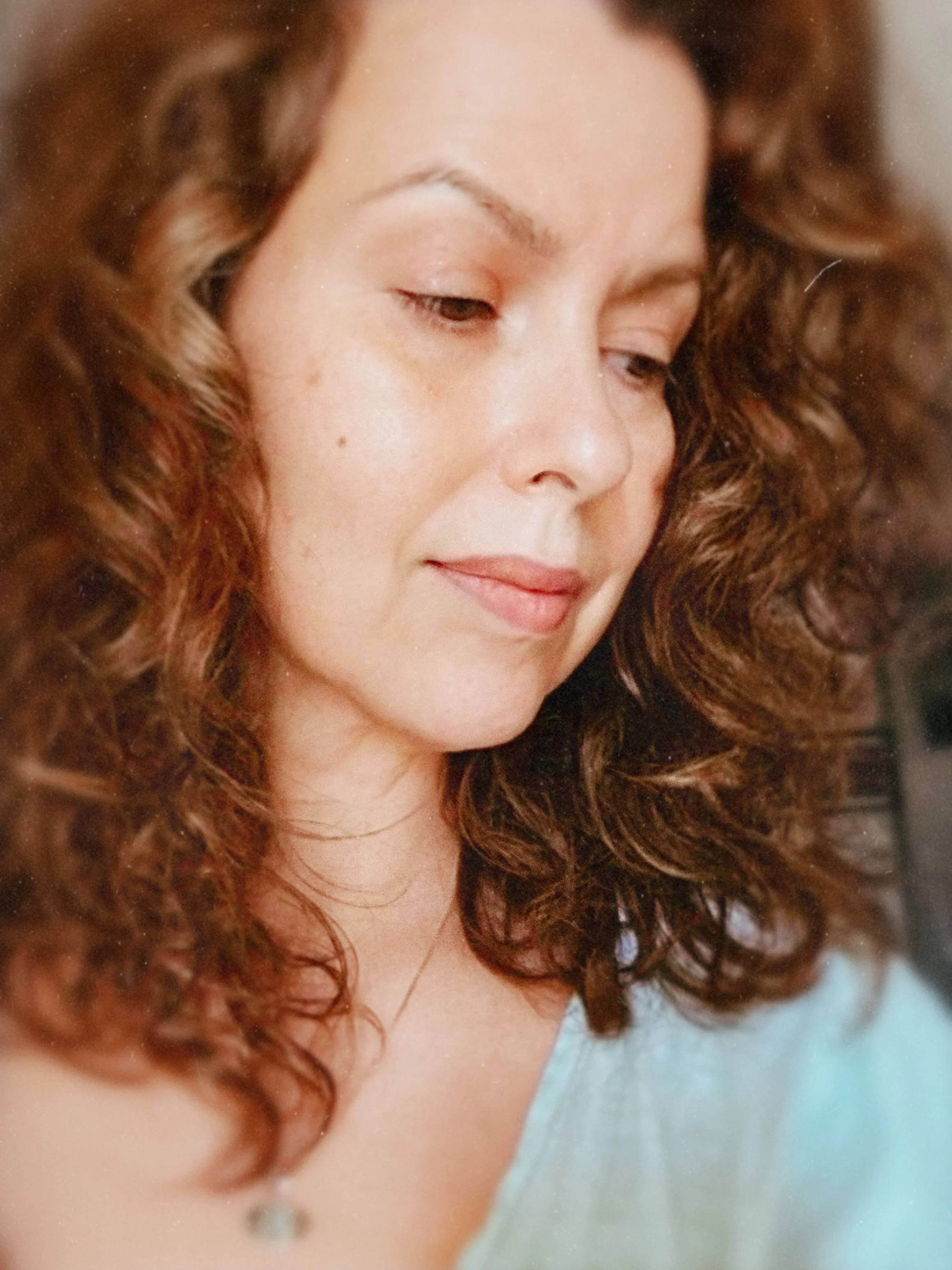
0604 | 2026
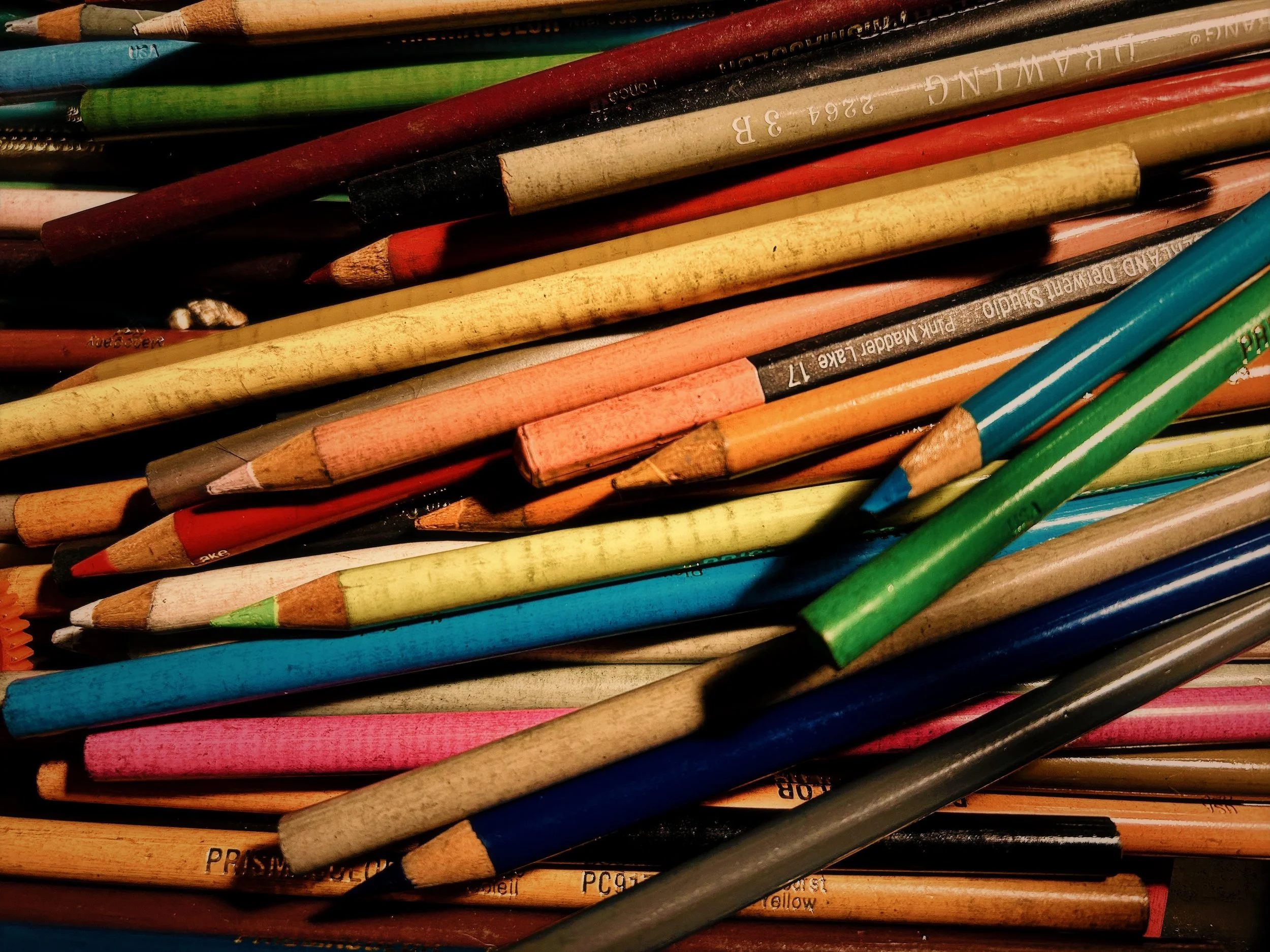

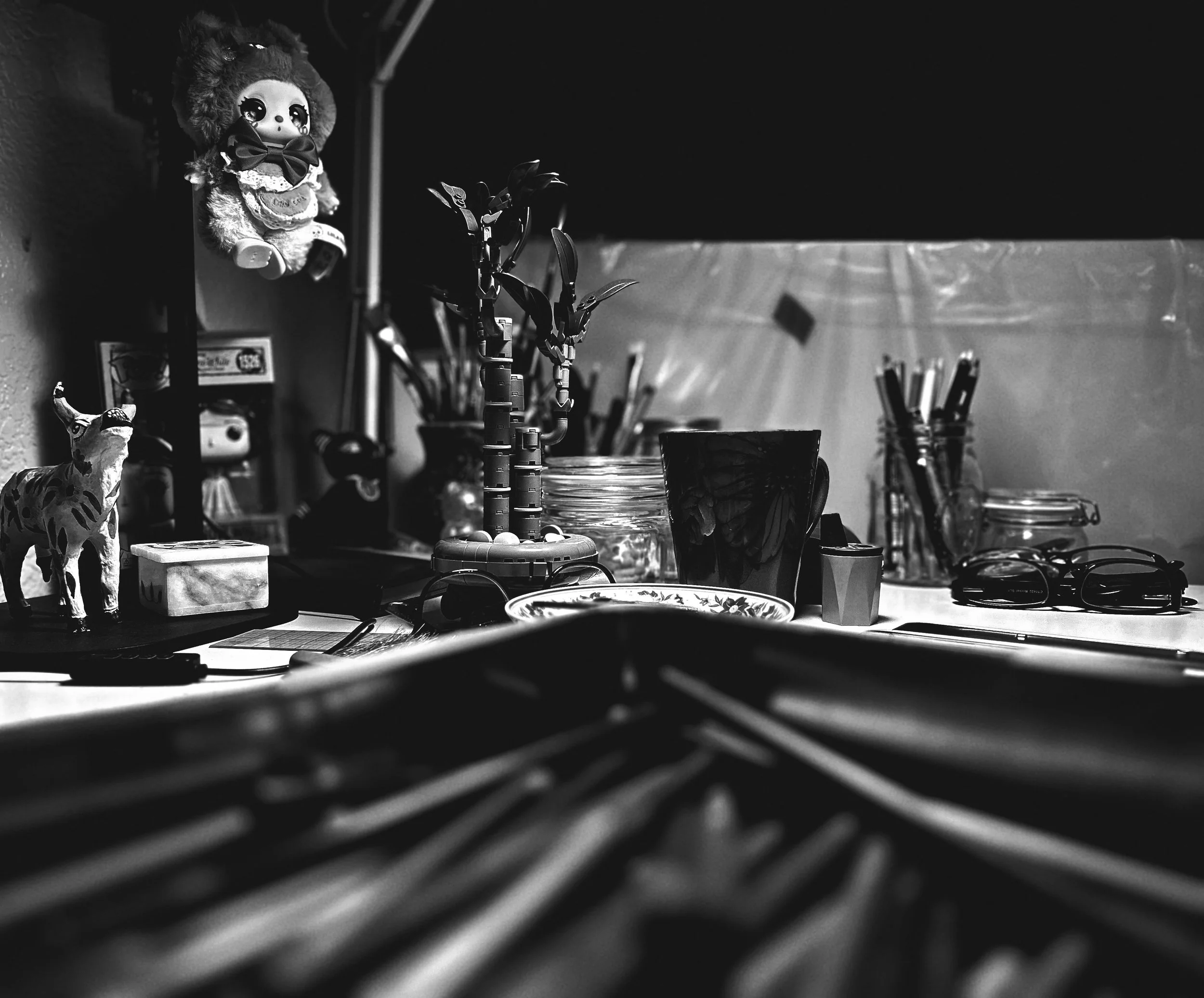
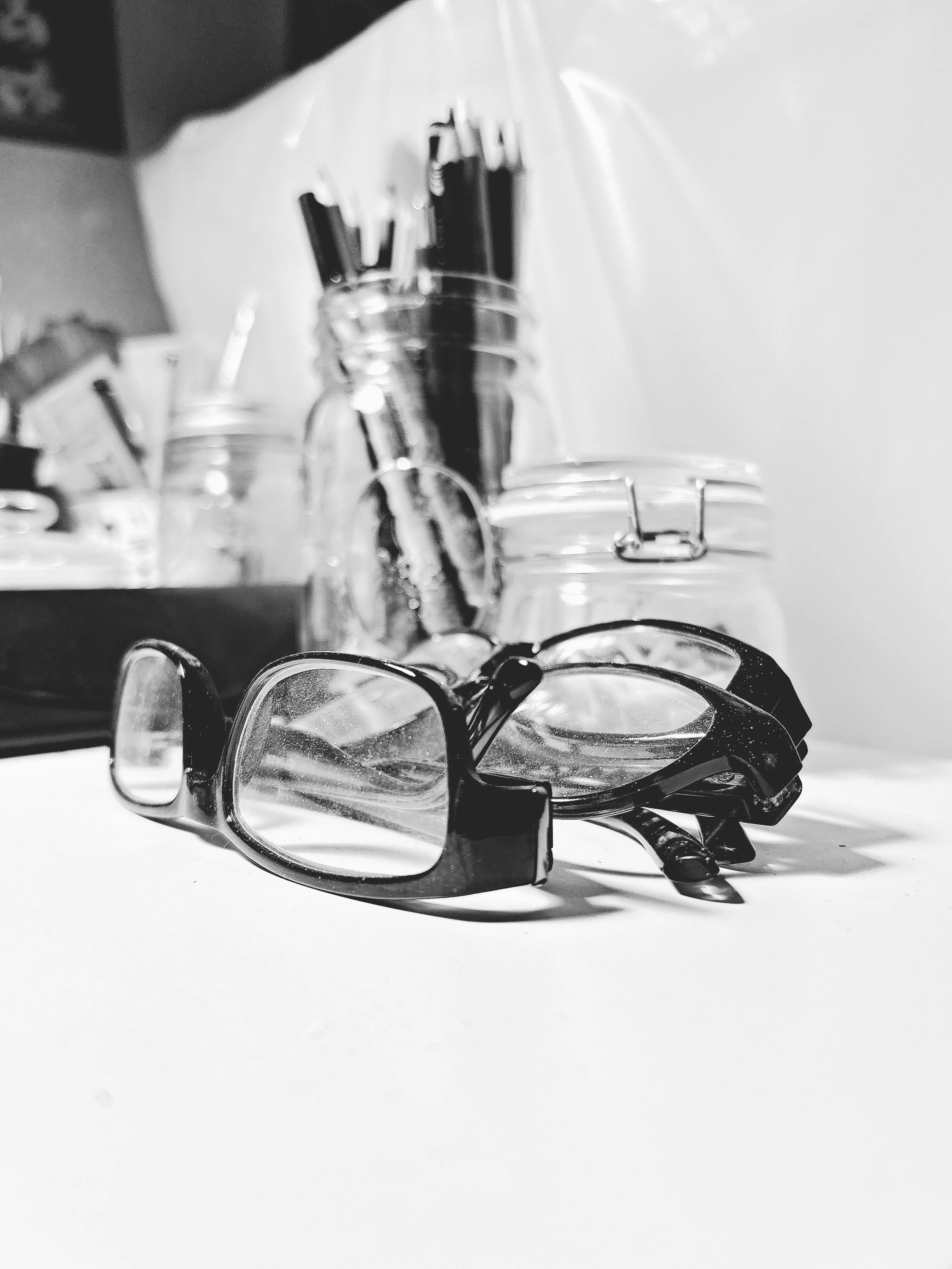
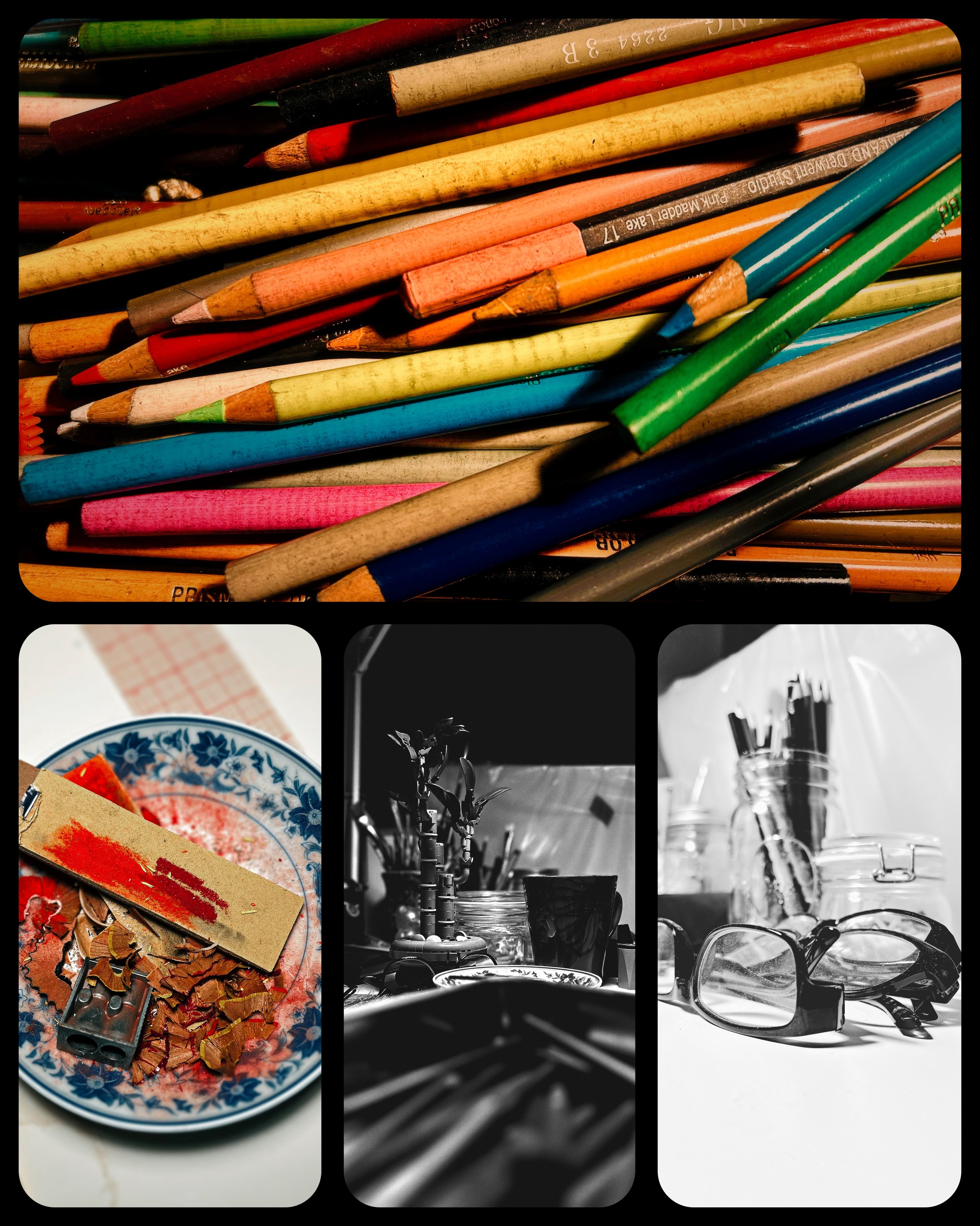
PHOTO: Desert Vigil Series [6-10]
Canon EOS R5 | EF-mount macro adapted over — the Canon EF 100mm f/2.8L Macro IS USM
__________________
I needed time away but didn’t get enough. I returned to where I’m most haunted — the home of my grandmother. This is where I see the immense sun and take the most light. I can never go back.
What we abandon doesn’t sit waiting. It simply becomes someone else’s memory, or no one’s.

•Claret by Marni Fraser 2026
•Phoenix Arizona | Photoshop Edits
•Arizona Desert Vigil | Edition [6 of 10]

•Interior by Marni Fraser 2026
•Phoenix Arizona | Photoshop Edits
•Arizona Desert Vigil | Edition [7 of 10]

•Before by Marni Fraser 2026
•Phoenix Arizona | Photoshop Edits
•Arizona Desert Vigil | Edition [8 of 10]


PHOTO:Age
Studies on aging gracefully.
Trying to understand the body without punishing it for changing.
There is a strange beauty in watching the self shift over time — in carrying the faces of those before us, and in carrying our age.
Perhaps grace begins there.
You cannot see my hand. It’s hidden in shadow, but beneath the shadow it is badly bruised. My blood has become thin, much more fragile. My bones suffer. Part of the reason I am trying to remove myself from others lives.
I do not lean on people anymore. Perhaps I no longer know how. Perhaps I have grown tired of reaching out, only to feel unseen.
I took these photographs because I am sick, and aging, and because some days I do not meet either reality with grace.
But all living things change. All bodies shift. All faces carry time …eventually.
So perhaps there is something holy in learning to look gently at ourselves as we disappear, and become.


Studies, May 14 2026

POEM: Nothing
Nothing
What use is anger—
it’s burning my hands,
it’s tools without handles,
smoke
turning desire blind.
What a thing
to place in my lap.
What a life—
flinging off the crown,
gold ringing to the floor.
What a way to dissolve—
to relinquish my crown
with both hands open.
That person:
Not a demon.
Not an angel.
A hollow bone.
A frame without its fill.
Nothing.
Marni Fraser
0505.2026

Photo Marni Fraser 2026

Signs Of Gilding

Gold falling everywhere. So beautiful. My current project when I was beginning. Its been a slow process. My heart is breaking for Iran, a country that imprinted its soul upon mine before I could talk.
It All Begins Here…
“Who is the hunter and who is the prey?” is hardly a question answered at the start. It is a pursuit—intent sharpened to a point, the illusion of mastery. I move through life as one moves through jungles, believing I am tracking something external: an image, a flash, a configuration of meaning that appears and withdraws. It’s just at the edge of perception, not a memory exactly, but a pressure—one like a touch or caress even—behind thought, heat behind the eyes. I follow it; my patience is a delicious skill. I circle it, again and again, rehearsing the moment of capture, convinced that proximity is proof, that closeness itself confers control. The mind arranges its frames, stretched, clean, and ready, believing the thing pursued will finally be still.
But what I am stalking has already learned my moves. It allows itself to be nearly captured, lets me believe I am the more cunning animal, lets me think endurance matters, that dominance belongs to me. When my hands finally embrace it, what I thought was distance collapses into intimacy, and intimacy becomes consumption. The heat I believed I could hold begins instead to hold me. If I am not devoured suddenly, I am absorbed gradually, dismantled by my own insistence on possession. The image does not fade—it burns, it confronts me. And in that burning, the roles finish rearranging themselves. I recognize, too late, that I have been carried along by hunger, not direction, and that the maw I feared was never ahead of me, but opening from within.
What you don’t know.
Eaten.
Marni Fraser
0104.2026

It all begins here.
About Beauty
How terrible is beauty.
So terrible because it asks us to look at what cannot be kept—something transient, wild, delicate, already on its way out of itself. It lifts us for a moment, loosens something inside us, draws out that involuntary release of breath, and then leaves us with the knowledge that whatever just touched us cannot remain where it was.
We sit with the afterimage of it, often alone, caught in the instant before understanding fully settles in—the instant before we know we cannot touch it, cannot keep it, cannot return to it intact. Beauty is unobtainable not because we fail to reach it, but because it does not consent to staying. Still, the wanting continues. We keep believing that if we search long enough, if we move toward it carefully enough, it will yield, it will finally do what we imagine it might do.
It never does. Even when we think we have captured it, time begins its quiet work, and what remains becomes something thinner, duller, less alive than what first undid our eyes and heart.


On Seizure, Euphoria, and …
On Seizure, Euphoria, and…
On Seizure, Euphoria, and Hearing the Body
An acquaintance asked me recently about seizures and their after-effects, and at their further request I would like to do an essay on this. Someone wanted to know whether the initial release can feel good. It’s a strange question, and a difficult subject—because seizure experience is intensely individual, and because the language we use to describe it often collapses into metaphor long before it reaches understanding.
For most of my life, I did not think of myself as epileptic. I am not someone who grew up with a diagnosis or a long history of seizures. What I did have, beginning in adolescence, were brief episodes where I would wake up, take a few steps, and collapse. These were not seizures. They were likely orthostatic—my body adjusting too quickly from rest, blood pressure shifting, hormones raging through puberty. The episodes lasted about a year and then stopped.
What did persist throughout my life were headaches. Migraines, accompanied by aura—halos, spots, distortions of light. Over time they worsened, stretching into weeks, sometimes months, with only brief breaks of relief. More recently, new warning signs appeared: a sudden drop in the stomach, waves of heat or cold, a deep internal signal that says sit down now. These are not pleasant sensations. They are not euphoric. They are the body speaking in urgency.
The seizure itself—the one that changed my medical record—was severe and complex. It began as a focal seizure and progressed into a generalized tonic-clonic seizure. I walked while unaware, loosing all memory of that period. I have seen footage of myself moving, functioning, until I collapsed, and the second phase was violent and unmistakable: convulsions, loss of consciousness, the body overtaken by a neurological storm.
I was lucky. I have had only one seizure of that magnitude and did not have another within that year, and so far I have not had one again. Repeated generalized seizures can be devastating to the brain, many people live with that risk constantly. I do not take my luck lightly.
What followed—what surprised me—was not fear, but a lot of clarity.
There is a phenomenon in neurology sometimes referred to as Dostoevsky’s epilepsy: a rare form of ecstatic aura or post-ictal state in which a person experiences overwhelming euphoria, unity, meaning, and beauty. This is not a spiritual vision, nor it is not divine revelation. It is a neurological event—documented, studied, and named because the novelist Fyodor Dostoevsky described it with such precision that physicians still recognize it today.
This is what I experience.
When I sense an aura approaching, I listen. I stop. I sit. I breathe. I become quiet inside, though not in a meditative sense, but in a physiological one. Sometimes the episode passes, and when it does, what follows can feel like a profound love-high: a state of intense appreciation, lucidity, and tenderness toward the world. Everything seems beautiful. Everything feels connected. The impulse is not to cling to it, but to share it.
The urge to tell everyone is perhaps the most difficult part, because I know what this is. I know it is neurological, grounded in biology, in the brain’s circuitry, in chemistry and electrical patterns. And yet the feeling itself is so expansive that language strains to hold it.
Historically, experiences like this were often misunderstood. Saints, visionaries, artists—some were likely having neurological events that went unrecognized. Others were not. Retrospective diagnosis is a dangerous game, so I do not claim lineage with prophets or martyrs. I am not comparing myself to them. I am saying only this: the human brain is capable of producing states of meaning so intense that cultures have spent centuries trying to explain them with myth.
Medicine does not debunk the experience. It struggles to understand it and attempts to frame it.
I am an atheist. I do not believe in a supernatural God as it is traditionally described. But I also do not believe there is nothing. I believe everything we need is here—on this planet, in the atmosphere, in the galaxy, and most of all within our bodies. Our medicine, warning systems, capacity for compassion and understanding—they are embodied. We are simply not listening, and worse — we not aware how much we can and “should”.
For me, this seizure was a wake-up call. Not a punishment. Not a miracle. A signal.
In the years leading up to it, I experienced cascading losses: family ruptures, grief, creative paralysis, prolonged stress, and a political climate that felt terrifying in its implications for the world. I went years unable to draw or write—something that had always been as natural to me as breathing. My body eventually said no more.
Now, when stress rises, I slow down, rest. I sleep. I let my mind focus narrowly, sometimes through something as simple as a video game, until the overwhelm recedes. Then I return to my work, and slowly, I am falling in love with my art again. As of today, I cannot imagine how I survived separate from it. I am lucky to be alive.
I am careful when I say this: I manage my condition through vigilance, diet, and deep bodily awareness—but I do not recommend this approach for others. Epilepsy is not one thing, and works for me may be dangerous for someone else. Listening to one’s body does not mean rejecting medicine. It means partnering with it, and what each person needs medicinally is different.
The euphoria I experience does not make me special, not does not make me chosen. It makes me human.
To me, it feels like love stripped of motivation. Love without object. It’s a reminder that kindness, curiosity, self-awareness, and compassion are not moral luxuries, but survival mechanisms. Civilizations endure but never through fear or dominance, but through the capacity to understand one another without hatred, through calm clarity and sound bodies/minds.
I wish I could place my hand on another person and say, feel this. But I cannot. All I can do is speak honestly.
This is what my seizure taught me:
that fear is corrosive, the body keeps its own tally long before the mind admits exhaustion, and that meaning does not require magic to be real.
We are already holding everything we need.
M.
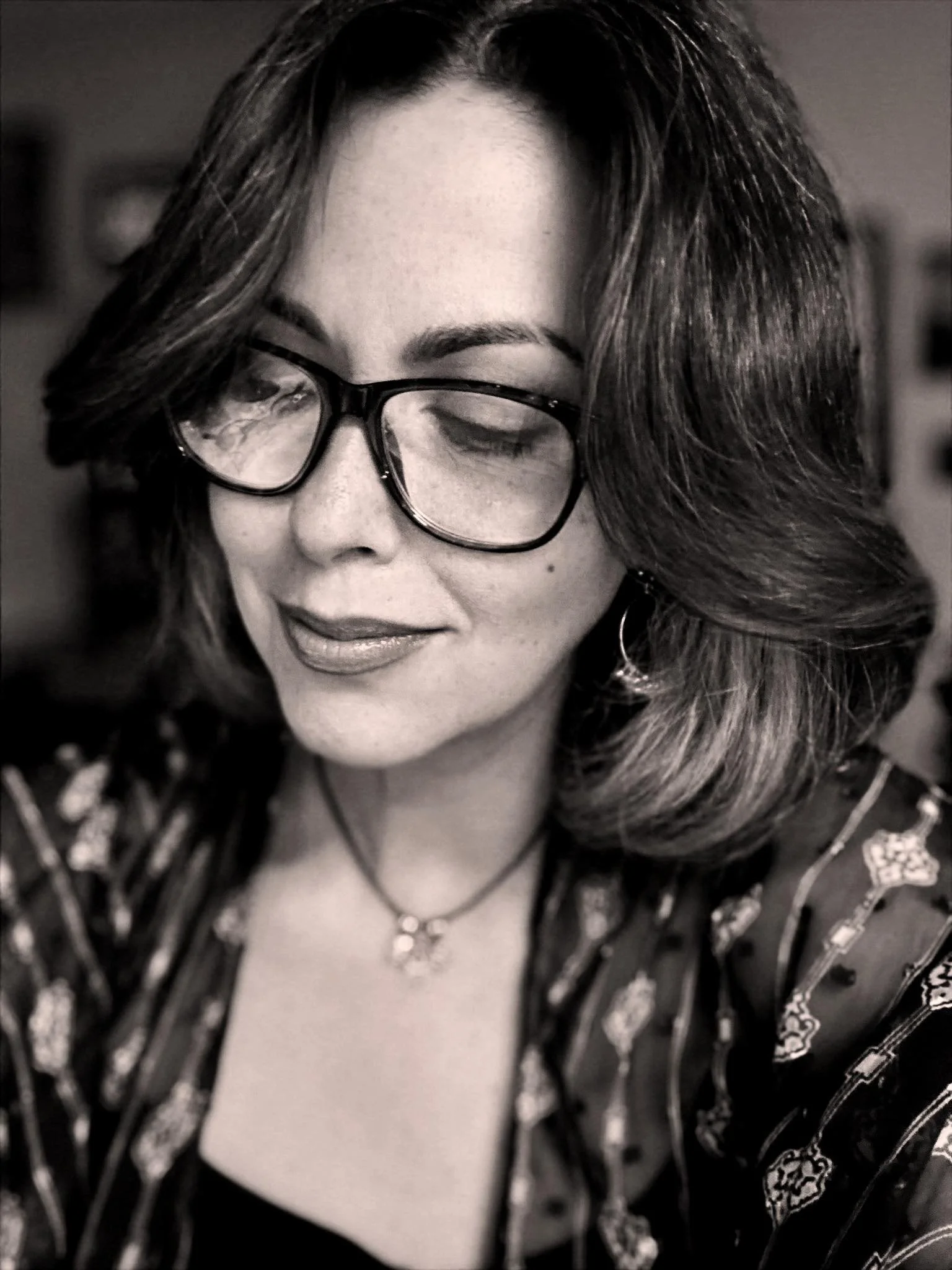
Marni Fraser by Jon Beckmann