Signs Of Gilding
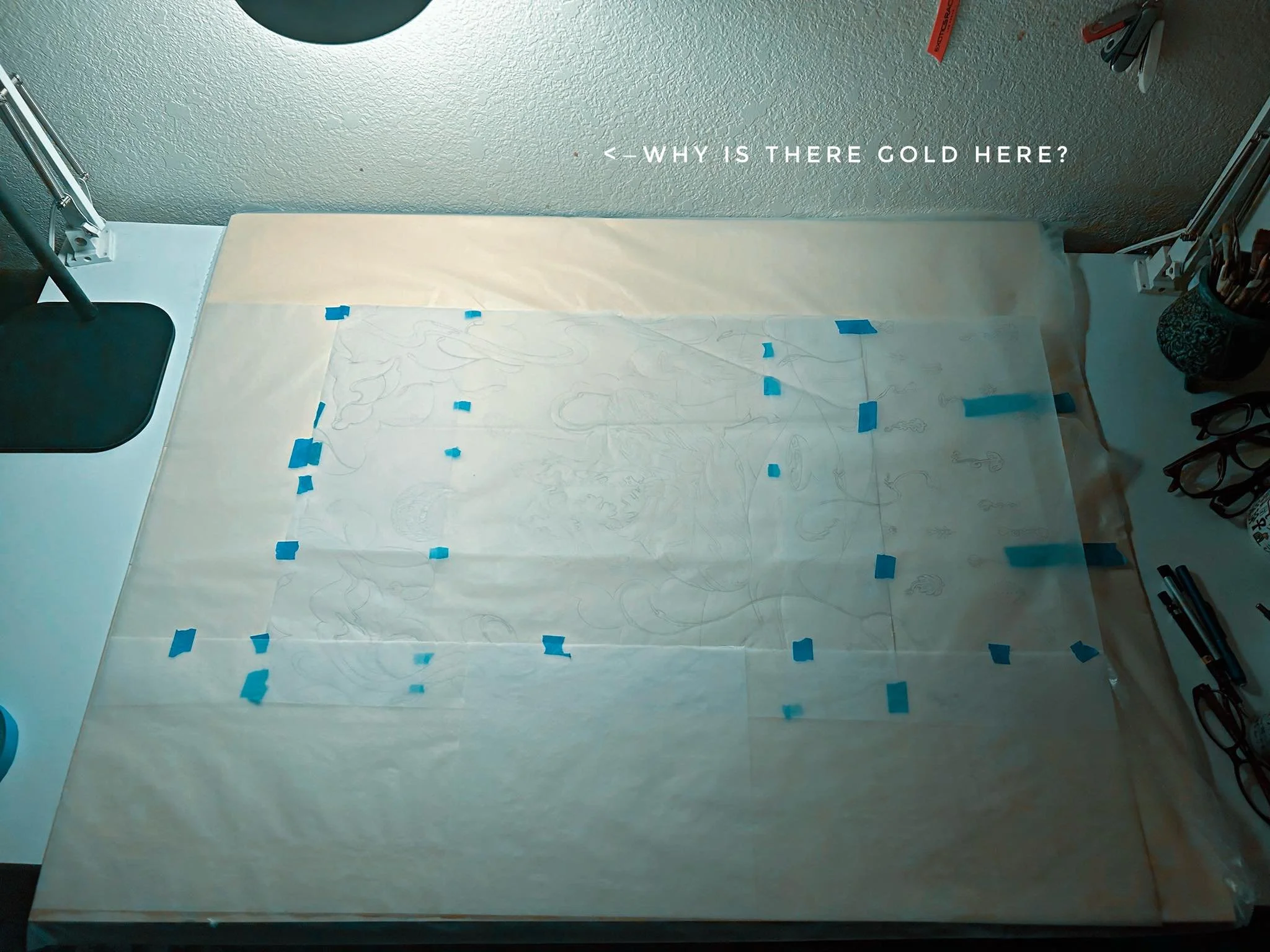
Gold falling everywhere. So beautiful. My current project when I was beginning. Its been a slow process. My heart is breaking for Iran, a country that imprinted its soul upon mine before I could talk.
POEM: The Thinner Air
The Thinner Air
I used to party impossible summers—
white-faced cliffs with money whispering,
harbors tucked behind unmarked stones,
no clicking cameras over cheap florals—
and sea-light turning rich boats into diamonds.
I was a made-up woman there, intact,
her laughter gilded by the hourglass,
pulse like a pearl shown in public.
Meanwhile the planet yawed off its pin—
some brutal dusk kept chewing through the minutes, fucking them raw—
and my thoughts rolled like a lone glass shooter—
circling my skull like fate without fingers.
Too many faces—each a little reminder.
Too many mouths that spewed their venom.
Others waited until the armor came off,
then skinned my candor for their hunger;
the world came through an electronic scroll—
news like ants across my nervous system,
entire nations making my shaking hands.
I blamed my ribs for the cages they built.
Anger was the weather I lived in—
then I swallowed it, let it burn, glad for it—
the heat went down like fired coals
and settled where my soft deaths were.
The pulse didn’t die, it darkened.
Something undid its mouth from my prayer.
What I wanted thinned like fog burned by sun:
wasn’t loss—but no longer desiring them—
the body flung off its old deals.
The wanting stopped its eating.
I saw desire as another voice,
throwing its mouth around love
that thinks its hunger is holy—
my thirst an altar of mirrors,
its sex forgetting its own hands,
devotion kneeling to anything staying.
So I stood a while and let the fever rearrange me.
I found a pleasure in waiting,
satiation in starving it into a line—
and the keys fell clean into my hands—
and the way opened,
and I let the void marry me—
open to its surprises,
not caring what I’d become.
Marni Fraser
0211.2026
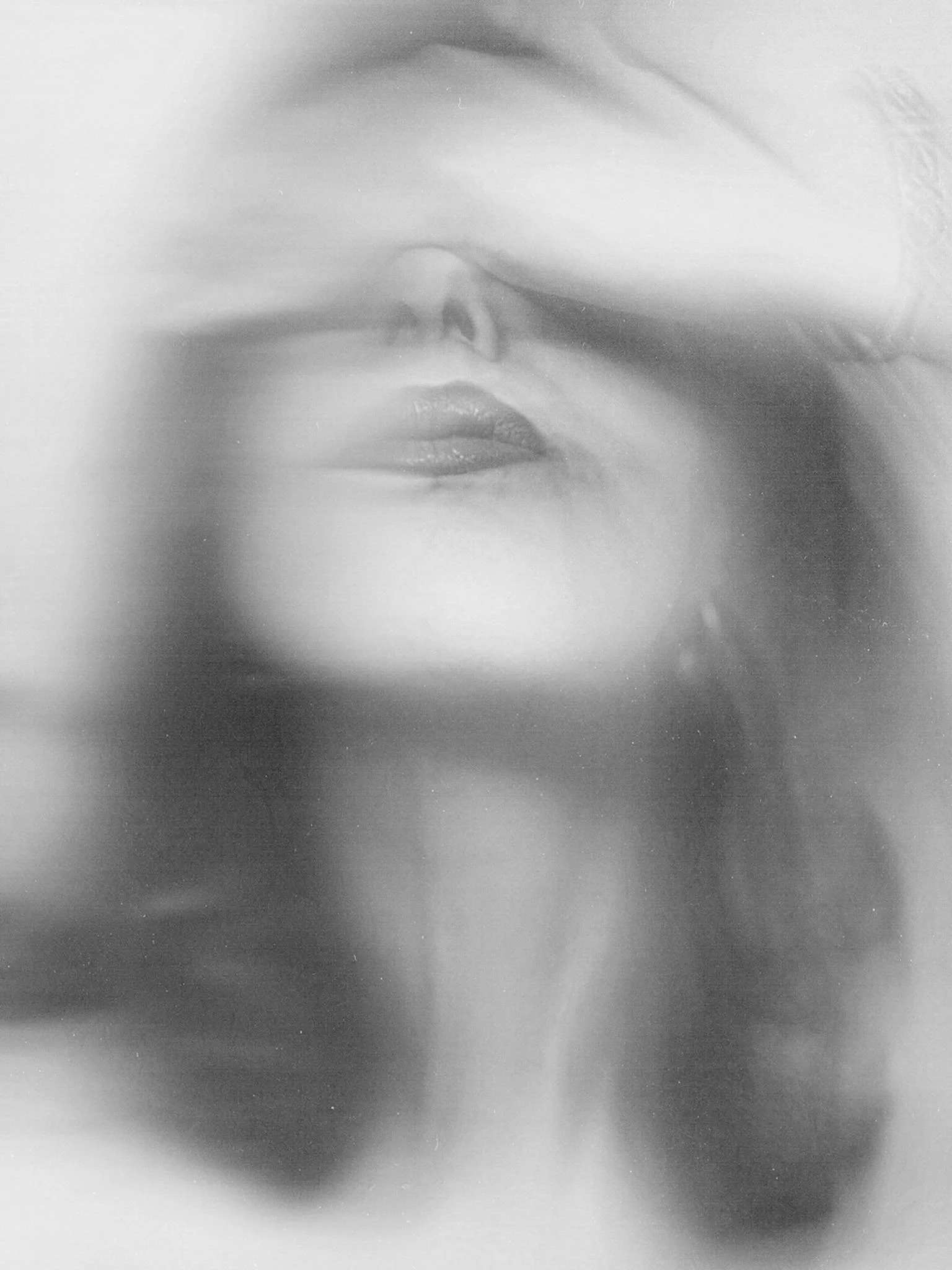
The Thinner Air by Marni Fraser
On Anger
Good morning
I’ve been thinking about an old conversation with a friend—once urgent, once vital. With time, it’s revealed itself as something simpler and more universal: a kind of common knowing we all circle back to, sooner or later.
For anyone who might need it ~ For anyone who might want it.
Wishing you a deeply peaceful week.
“The soul becomes dyed with the color of its thoughts.”
— Marcus Aurelius
#36
I.
Turn your gaze toward your own portion of the matter. Ask whether the discharge of frustrated violence—turned inward or loosed upon another—has ever proven worth the cost of its eruption. I sometimes apprehend how arduous it can be to feel compassion for those devoured by their own agitation; yet more often than not, compassion does not come. What comes to me instead is sorrow—slow, unadorned, and enduring.
⸻
II.
I was once taught that Neptune’s frustration of Odysseus was neither whim nor cruelty, but design. He was pursued and impeded so that he would be driven into thought, pressed into alteration, forced to ripen—so that he might arrive at his teleology, which was Telemachus. Had Odysseus returned to Ithaca without those salt-bitter trials inscribed upon him, the suitors might have undone him, and the work awaiting him would have slipped from his hands.
⸻
III.
I agree—and it is not a gentle demand. Yet this single question forms one of the oldest load-bearing truths of Western civilization, older than the Bible, older than most spiritual scriptures themselves: frustration is the furnace of growth. How you proceed from it belongs entirely to you. Nobility lies in taking suffering into the body and choosing not to enlarge it with a reactionary mind.
I love you.
Marni Fraser
1112.2025

Hope by Marni, 2025
POEM: Untitled
untitled
Do your eyes wake heavy—
do some mornings find them so?
Mine see a wound I did not make alone—
the wound isn’t me, or even all the world,
but hands that hide the light beneath a fate
not ours.
I say—no way.
That grief must unlock its maw,
let the cold from all hearts,
let us all be warmth instead.
Leave the cage fear lets you live in well.
An arm around a soul can still mean
the years haven’t finished with our own.
Carry someone—
then they’re not their own stone.
This white love is not a ghost of hopeless kin:
it’s a dollar passed, a bite,
a sad moment spared.
If breathing stays, then mercy still has a clock.
If we are living, we cannot be
absolved of it.
Marni Fraser
0202.2026
Eye Myself by Marni Fraser 2026
POEM: Untitled
untitled
to see doesn’t end
the mystery
or some desire —
it transforms it.
sometimes knowing
deepens desire;
sometimes knowing
ends it.
for some, revelation
feeds the fire —
for others,
it strips it bare.
the unveiled can
still be infinite,
but not all desire
is made for the light —
some was only
ever hunger.
and nothing more —
such relief.
Marni Fraser
2026
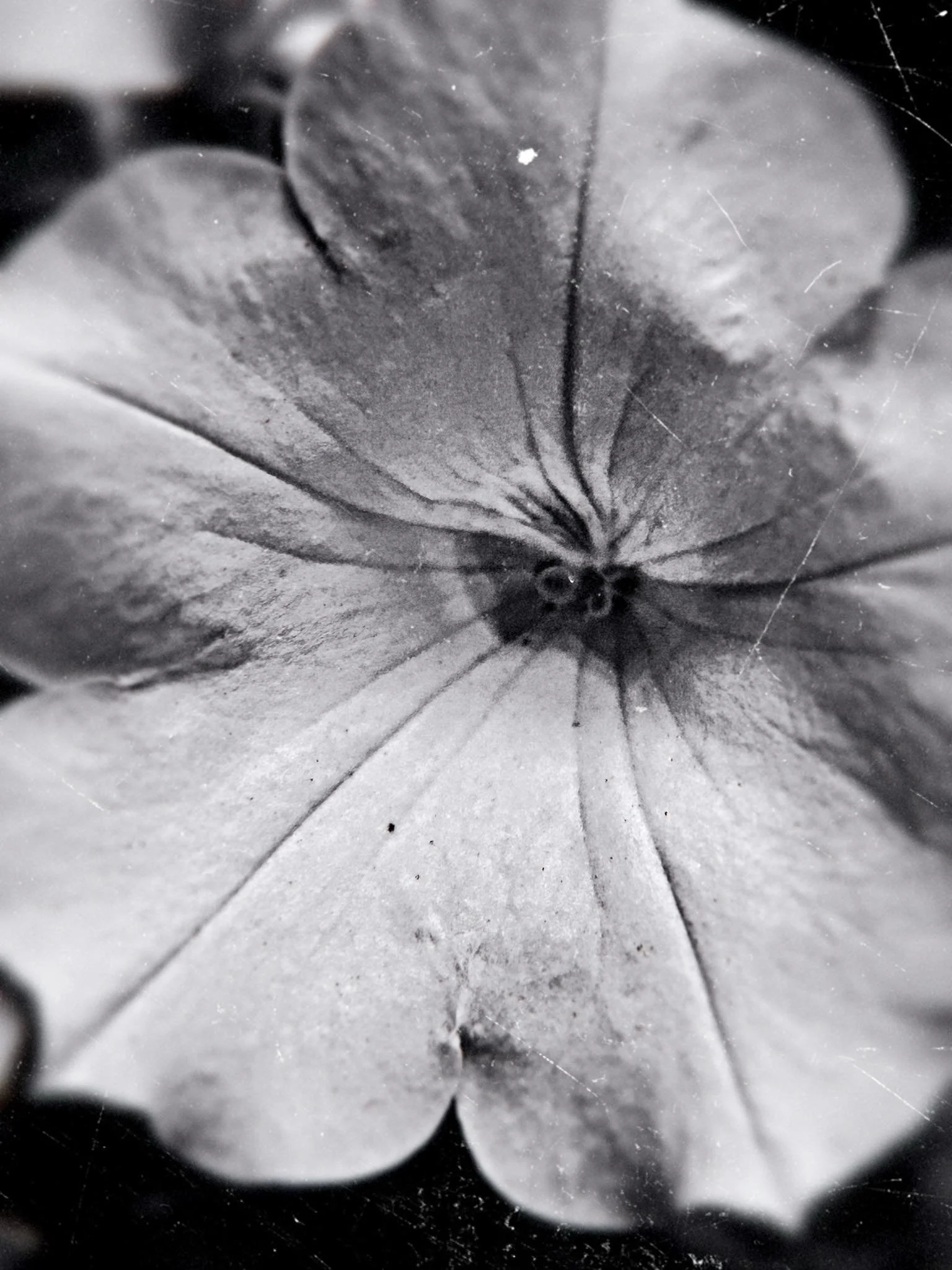
Img 2026
POEM: The Quiet
The Quiet
I’ve leaned my white faces to a wall:
Now they keep their mouths closed—
color has been too eager to confess.
The brushes lie rinsed and sunned—
their bristles call out to my wrists
and my hands that once moved un-trembling.
Tonight I set my instruments,
like one sets down a mirror
after beholding the face of love-
they await your eyes.
Oh you, my Angelic —
the world is always fond of flame,
but now it salts its bread with ash
and thinks the smoke is right.
And you, you walk upright in daylight
carrying your grave like another spine.
You might wear their borders —
your veins forced to split open,
each pulse, the name of your home.
So the world can keep its red mouth,
I’ve no choice in letting maps
swallow themselves—
but the metal singing to the sand,
oh how the song’s killing me slowly.
There was a sound once—
a low, unarmored sound—
invited, and equally sought—
not trumpet, nor an anthem,
it was a breath crossing distance
as if distance were a benediction,
the story of us sings in that sound.
I keep that holiness beneath my tongue
like a forbidden syllable,
for the dunes remember the weight of steel
and they can recall the weight of feet
returning.
And if the night has leaned too far into fire,
there is still is a margin where embers don’t burn.
You see, I’m not abandoning the garden.
I am placing it under stone.
Our roots know how to help it wait,
and our seeds disobey their extinction.
There is a country I carry
that does not appear on any flag.
It is not drawn in ink
but in the space behind my breath,
where something stands clear with love
despite artillery and decree.
That’s where you’ll find me.
And should the burning edge of evening
close over your name,
know this:
I did not let it die.
I keep it in the chamber
where war knows it must kneel
before it enters.
But, I am going now,
until the metal tires of kissing earth,
But not in despair—
like the dark growing ashamed of itself,
But not in deniability,
when the sand shakes its glass from
our eyes—
And returning to the room,
I will unseal the canvases.
And what was hidden
will rise.
Oh my heart.
Oh my dear and gentle friend-
until next time, then.
Marni Fraser
0302.2026
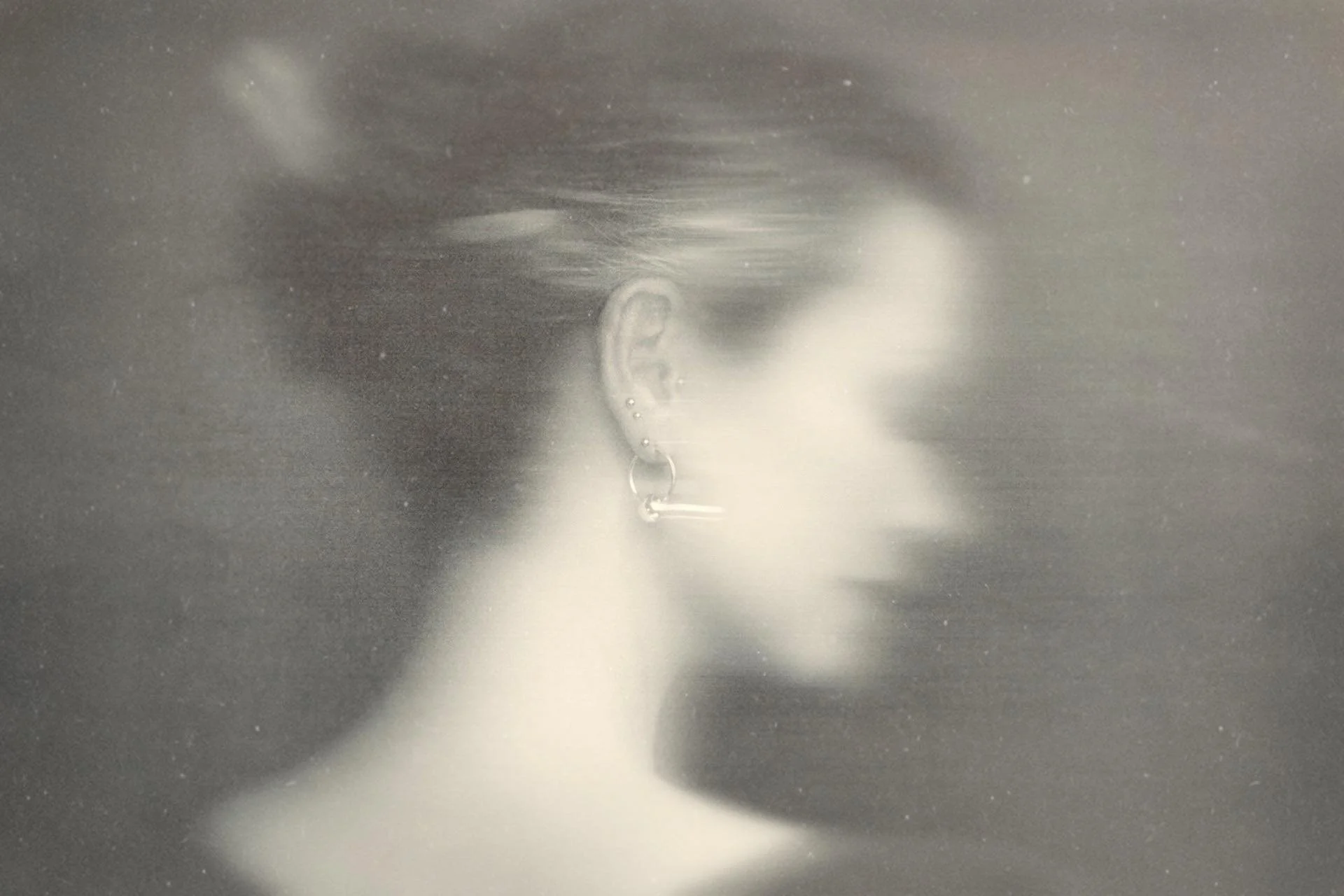
Self-Portrait, mixed process, 2026
It All Begins Here…
“Who is the hunter and who is the prey?” is hardly a question answered at the start. It is a pursuit—intent sharpened to a point, the illusion of mastery. I move through life as one moves through jungles, believing I am tracking something external: an image, a flash, a configuration of meaning that appears and withdraws. It’s just at the edge of perception, not a memory exactly, but a pressure—one like a touch or caress even—behind thought, heat behind the eyes. I follow it; my patience is a delicious skill. I circle it, again and again, rehearsing the moment of capture, convinced that proximity is proof, that closeness itself confers control. The mind arranges its frames, stretched, clean, and ready, believing the thing pursued will finally be still.
But what I am stalking has already learned my moves. It allows itself to be nearly captured, lets me believe I am the more cunning animal, lets me think endurance matters, that dominance belongs to me. When my hands finally embrace it, what I thought was distance collapses into intimacy, and intimacy becomes consumption. The heat I believed I could hold begins instead to hold me. If I am not devoured suddenly, I am absorbed gradually, dismantled by my own insistence on possession. The image does not fade—it burns, it confronts me. And in that burning, the roles finish rearranging themselves. I recognize, too late, that I have been carried along by hunger, not direction, and that the maw I feared was never ahead of me, but opening from within.
What you don’t know.
Eaten.
Marni Fraser
0104.2026
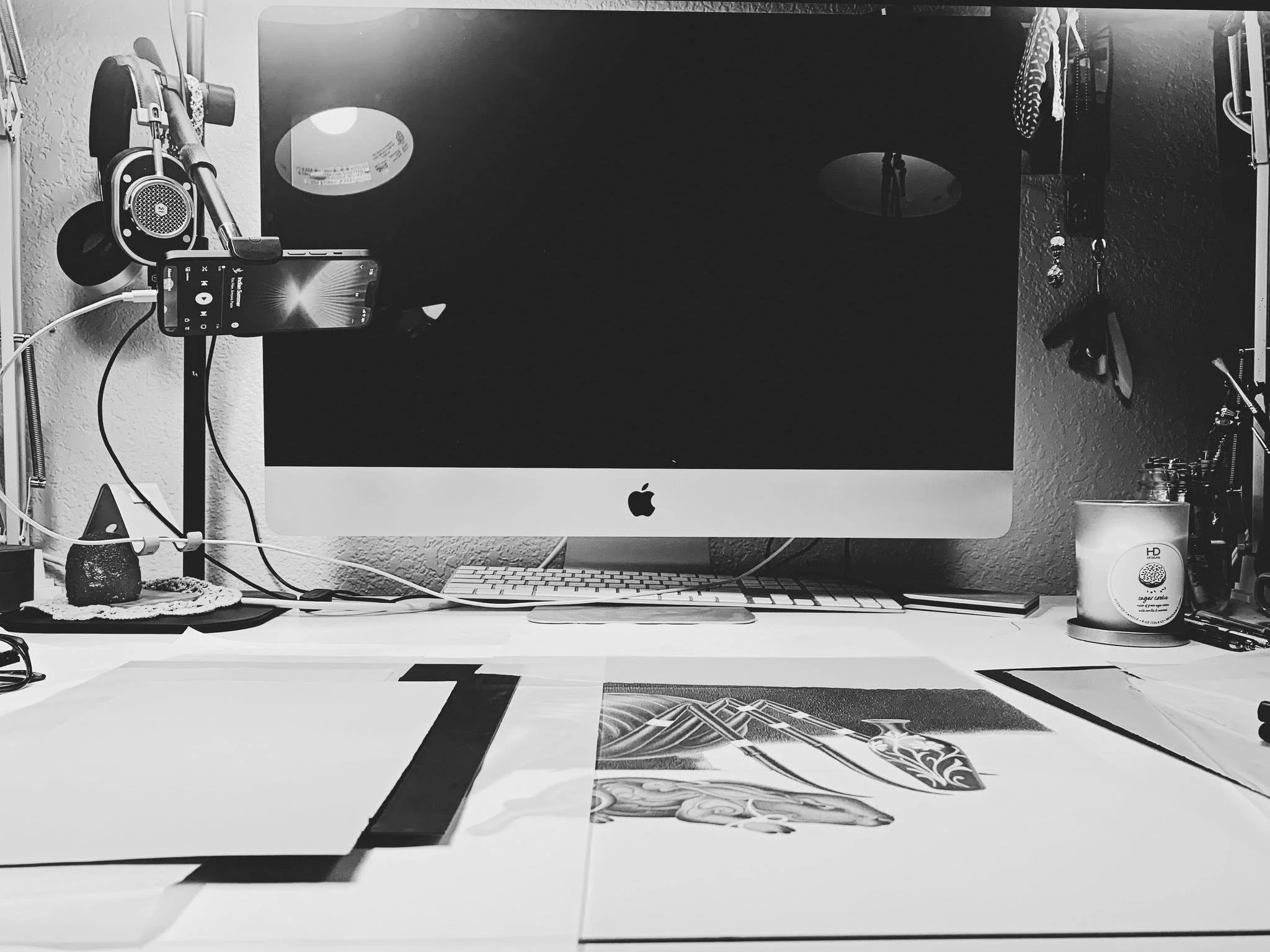
It all begins here.
Poem - The Winter I Carry
The Winter I Carry
The winters taught me how the dark weeks in Scandinavia lower us into a spell—
a slow opening of the night and its breath,
the quiet drift where snow decides its landing,
and a white so deep it threatens to erase the entire black landscape —
the me-of-me, the pulse beneath my breasts.
I learned Sweden holding a frostbit lantern:
small window-stars half-drowned in blackened pines,
their amber and scent looking like a ghost caught
between retreat and rise—wild, half-sleeping,
its slow unending shadow caressing old Norse stones.
The houses keep mysteries under roofs
that slope like tired shoulders in the gloom.
No cars murmur down those buried roads—
only the long cold widening its mouth,
and sometimes me, a breath against its teeth.
I miss the iron stove that coughed up sparks,
each ember prowling toward the fur-lined rug—
as if to claim a warmer death.
I miss the siren-fog rituals of dusk,
the outlaw lanterns climbing up to the sky,
so bright their burning vanished past the stars.
The land holds an ancient skogstill hush—
the hush makes you swear the old gods move beneath the drifts,
their antlers made of the moon,
their slumber a bruise beneath the human world:
And I fed the gnomes their porridge in the snow,
though part of me believed they fed on my naivety.
And once, a little mouse climbed into my hand
upon the church steps, as though my skin were home.
I swear the air that night tasted nearly holy—
a sharp metallic note of winter’s crown.
But there was something, and I outgrew that part—
the time when friendship turned to soot,
where the silence bore into the wooden beams of our home
and left feral fingerprints under my hair—
then shadow crossed the landscape like a wound,
a wound that glittered in winter’s hand.
And still—
snow recalls every footstep made.
It keeps its bright dead record of our hours,
a tenderness I sometimes try to hate
because the cold can create illusions,
and illusions can fashion beauty of lies.
Yet, somewhere in that frost-bit solitude,
beneath the runework sky, one truth stayed warm:
the world I love is still the world I keep.
And there is someone—not the ghost of you—
who’ll walk beside me when the snows return,
who’ll keep the wild I carry without fear,
and touch the winter where my blood sleeps.
Someone will walk beside me,
through the winter I carry.
Marni Fraser
1114.2025
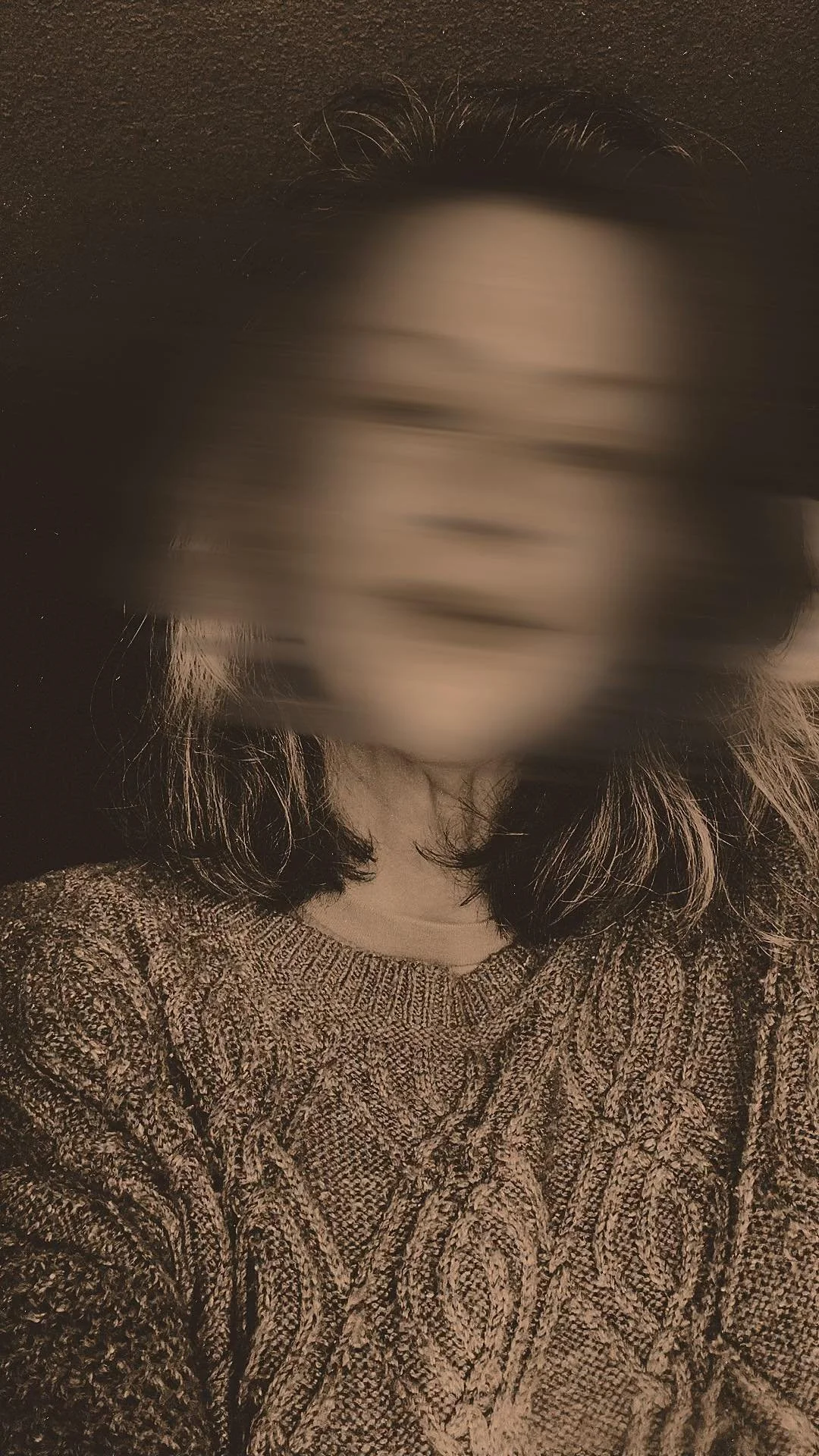
Marni Fraser 2025
About Beauty
How terrible is beauty.
So terrible because it asks us to look at what cannot be kept—something transient, wild, delicate, already on its way out of itself. It lifts us for a moment, loosens something inside us, draws out that involuntary release of breath, and then leaves us with the knowledge that whatever just touched us cannot remain where it was.
We sit with the afterimage of it, often alone, caught in the instant before understanding fully settles in—the instant before we know we cannot touch it, cannot keep it, cannot return to it intact. Beauty is unobtainable not because we fail to reach it, but because it does not consent to staying. Still, the wanting continues. We keep believing that if we search long enough, if we move toward it carefully enough, it will yield, it will finally do what we imagine it might do.
It never does. Even when we think we have captured it, time begins its quiet work, and what remains becomes something thinner, duller, less alive than what first undid our eyes and heart.
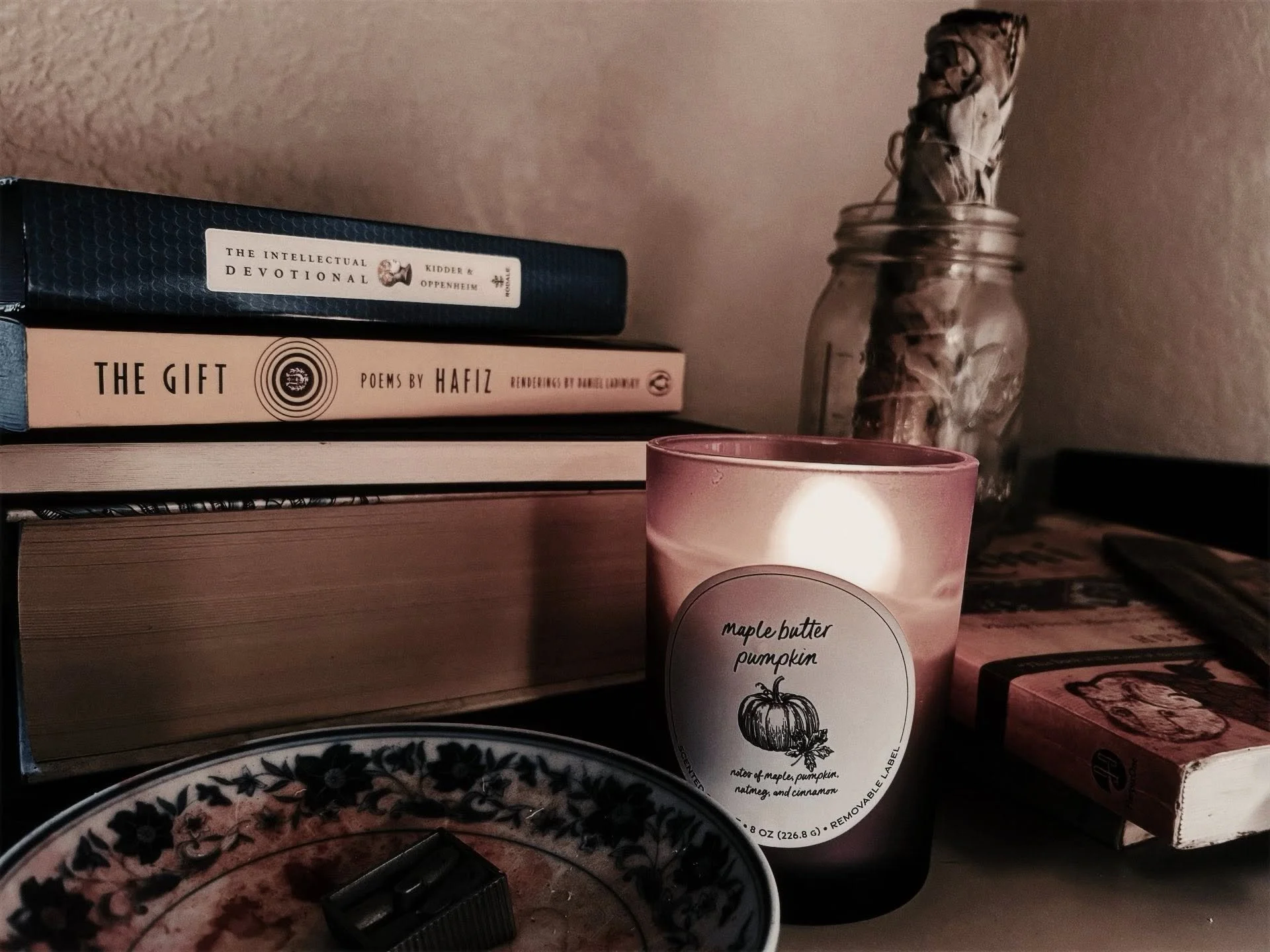

On Seizure, Euphoria, and …
On Seizure, Euphoria, and…
On Seizure, Euphoria, and Hearing the Body
An acquaintance asked me recently about seizures and their after-effects, and at their further request I would like to do an essay on this. Someone wanted to know whether the initial release can feel good. It’s a strange question, and a difficult subject—because seizure experience is intensely individual, and because the language we use to describe it often collapses into metaphor long before it reaches understanding.
For most of my life, I did not think of myself as epileptic. I am not someone who grew up with a diagnosis or a long history of seizures. What I did have, beginning in adolescence, were brief episodes where I would wake up, take a few steps, and collapse. These were not seizures. They were likely orthostatic—my body adjusting too quickly from rest, blood pressure shifting, hormones raging through puberty. The episodes lasted about a year and then stopped.
What did persist throughout my life were headaches. Migraines, accompanied by aura—halos, spots, distortions of light. Over time they worsened, stretching into weeks, sometimes months, with only brief breaks of relief. More recently, new warning signs appeared: a sudden drop in the stomach, waves of heat or cold, a deep internal signal that says sit down now. These are not pleasant sensations. They are not euphoric. They are the body speaking in urgency.
The seizure itself—the one that changed my medical record—was severe and complex. It began as a focal seizure and progressed into a generalized tonic-clonic seizure. I walked while unaware, loosing all memory of that period. I have seen footage of myself moving, functioning, until I collapsed, and the second phase was violent and unmistakable: convulsions, loss of consciousness, the body overtaken by a neurological storm.
I was lucky. I have had only one seizure of that magnitude and did not have another within that year, and so far I have not had one again. Repeated generalized seizures can be devastating to the brain, many people live with that risk constantly. I do not take my luck lightly.
What followed—what surprised me—was not fear, but a lot of clarity.
There is a phenomenon in neurology sometimes referred to as Dostoevsky’s epilepsy: a rare form of ecstatic aura or post-ictal state in which a person experiences overwhelming euphoria, unity, meaning, and beauty. This is not a spiritual vision, nor it is not divine revelation. It is a neurological event—documented, studied, and named because the novelist Fyodor Dostoevsky described it with such precision that physicians still recognize it today.
This is what I experience.
When I sense an aura approaching, I listen. I stop. I sit. I breathe. I become quiet inside, though not in a meditative sense, but in a physiological one. Sometimes the episode passes, and when it does, what follows can feel like a profound love-high: a state of intense appreciation, lucidity, and tenderness toward the world. Everything seems beautiful. Everything feels connected. The impulse is not to cling to it, but to share it.
The urge to tell everyone is perhaps the most difficult part, because I know what this is. I know it is neurological, grounded in biology, in the brain’s circuitry, in chemistry and electrical patterns. And yet the feeling itself is so expansive that language strains to hold it.
Historically, experiences like this were often misunderstood. Saints, visionaries, artists—some were likely having neurological events that went unrecognized. Others were not. Retrospective diagnosis is a dangerous game, so I do not claim lineage with prophets or martyrs. I am not comparing myself to them. I am saying only this: the human brain is capable of producing states of meaning so intense that cultures have spent centuries trying to explain them with myth.
Medicine does not debunk the experience. It struggles to understand it and attempts to frame it.
I am an atheist. I do not believe in a supernatural God as it is traditionally described. But I also do not believe there is nothing. I believe everything we need is here—on this planet, in the atmosphere, in the galaxy, and most of all within our bodies. Our medicine, warning systems, capacity for compassion and understanding—they are embodied. We are simply not listening, and worse — we not aware how much we can and “should”.
For me, this seizure was a wake-up call. Not a punishment. Not a miracle. A signal.
In the years leading up to it, I experienced cascading losses: family ruptures, grief, creative paralysis, prolonged stress, and a political climate that felt terrifying in its implications for the world. I went years unable to draw or write—something that had always been as natural to me as breathing. My body eventually said no more.
Now, when stress rises, I slow down, rest. I sleep. I let my mind focus narrowly, sometimes through something as simple as a video game, until the overwhelm recedes. Then I return to my work, and slowly, I am falling in love with my art again. As of today, I cannot imagine how I survived separate from it. I am lucky to be alive.
I am careful when I say this: I manage my condition through vigilance, diet, and deep bodily awareness—but I do not recommend this approach for others. Epilepsy is not one thing, and works for me may be dangerous for someone else. Listening to one’s body does not mean rejecting medicine. It means partnering with it, and what each person needs medicinally is different.
The euphoria I experience does not make me special, not does not make me chosen. It makes me human.
To me, it feels like love stripped of motivation. Love without object. It’s a reminder that kindness, curiosity, self-awareness, and compassion are not moral luxuries, but survival mechanisms. Civilizations endure but never through fear or dominance, but through the capacity to understand one another without hatred, through calm clarity and sound bodies/minds.
I wish I could place my hand on another person and say, feel this. But I cannot. All I can do is speak honestly.
This is what my seizure taught me:
that fear is corrosive, the body keeps its own tally long before the mind admits exhaustion, and that meaning does not require magic to be real.
We are already holding everything we need.
M.

Marni Fraser by Jon Beckmann